How to Lose Weight Without Losing Muscle: 10 Powerful, Science-Based Steps

How to lose weight without losing muscle is one of the most important questions for anyone starting a cutting phase. Losing weight is relatively simple in theory: your body must use more energy than you consume. The real challenge is making sure that most of the lost weight comes from body fat rather than valuable muscle tissue.
An extreme diet may make the number on the scale fall quickly, but it can also reduce training performance, increase hunger and make muscle loss more likely. A better strategy combines a moderate calorie deficit, sufficient protein, progressive strength training, sensible cardio and consistent recovery.
This guide explains how to lose fat while protecting your strength, performance and lean body mass. It is designed for healthy adults who want a sustainable approach—not a crash diet or a dangerous shortcut.
Medical note: This article provides general educational information and is not medical advice. Speak with a qualified healthcare professional before starting a weight-loss program, particularly if you have diabetes, kidney disease, an eating disorder, take medication, or have another medical condition.
Table of Contents
1. Understand How to Lose Weight Without Losing Muscle
Body weight includes fat, muscle, water, glycogen, bone and the contents of your digestive system. Consequently, a lower scale weight does not automatically mean that you lost body fat. Rapid changes during the first week of a diet often include water and glycogen, especially when carbohydrate or sodium intake changes.
The goal of a well-designed cutting phase is to reduce body fat while giving the body strong reasons to retain muscle. Those signals come mainly from resistance training, adequate protein and a calorie deficit that is not excessively aggressive.
The U.S. Centers for Disease Control and Prevention notes that people who lose weight gradually—around one to two pounds per week—are more likely to keep it off than people who lose weight more rapidly. However, the best rate is individual. A smaller person who is already lean may need to lose more slowly, while someone with a higher starting body-fat level may safely progress faster under appropriate guidance.
2. Create a Moderate Calorie Deficit
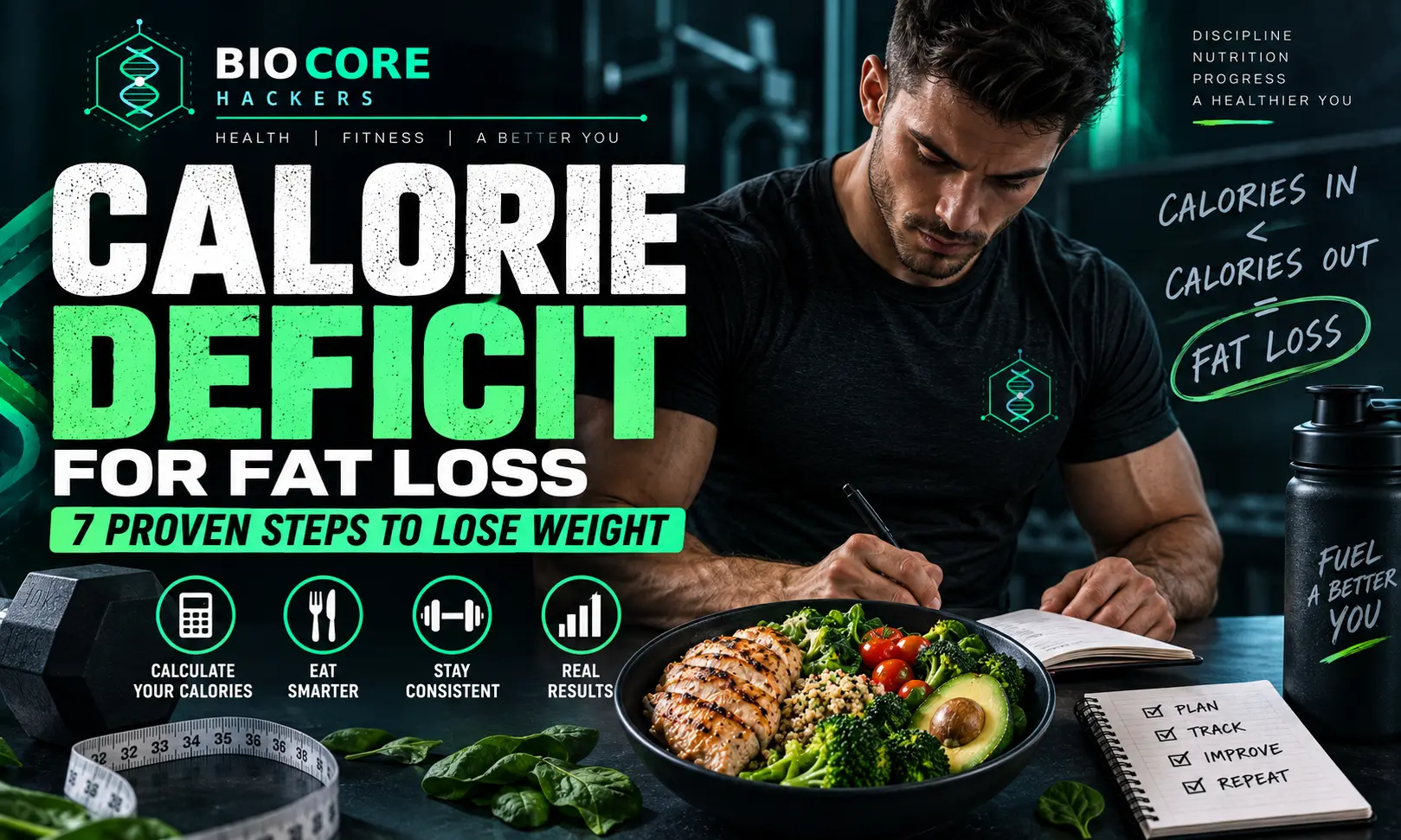
A calorie deficit occurs when your body uses more energy than it receives from food and drinks. It is the fundamental condition required for fat loss. The CDC explains that reducing calorie intake and increasing physical activity can create this deficit.
Start by estimating your maintenance calories—the approximate amount needed to maintain your current weight. You can use the official NIDDK Body Weight Planner for a personalized starting estimate.
For many adults, reducing average daily intake by approximately 10% to 20% is a practical starting point. For example, if someone maintains their weight around 2,500 calories, an initial target between approximately 2,000 and 2,250 calories may be reasonable. This is only an example, not a prescription.
Avoid making the largest deficit you can tolerate. An aggressive deficit can make workouts weaker, hunger stronger and recovery worse. Instead, select the smallest deficit that produces a measurable downward trend.
Signs your calorie deficit may be too aggressive
- Strength is declining rapidly across several workouts.
- You feel constantly exhausted, cold, irritable or dizzy.
- Hunger becomes difficult to control.
- Sleep quality deteriorates.
- Your training motivation and daily movement fall sharply.
- Weight is dropping much faster than planned after the initial water-weight change.
If these problems persist, increase calories modestly and consider speaking with a registered dietitian or physician.
3. Eat Enough Protein to Preserve Muscle
Protein supplies amino acids used to repair and maintain muscle tissue. During a calorie deficit, adequate protein becomes especially important because energy intake is reduced.
Rather than relying on one enormous serving, distribute protein over three to five meals according to your schedule and preferences. Build each meal around a clear protein source, such as:
- Eggs or egg whites
- Chicken or turkey
- Lean beef
- Fish and seafood
- Greek yogurt or cottage cheese
- Whey, casein or a suitable plant protein
- Tofu, tempeh, beans or lentils
For active adults, a commonly used practical range is approximately 1.6 to 2.2 grams of protein per kilogram of body weight per day. People with substantial excess body weight may prefer to calculate from a realistic target weight or consult a dietitian. Higher intake is not automatically better, and people with kidney disease should seek individualized medical guidance.
Protein also tends to be filling, which can make a calorie deficit easier to maintain. If you use whey, remember that it supplements a balanced diet; it does not replace fruit, vegetables, whole grains and healthy fats.
4. Keep Strength Training During Fat Loss
Strength training tells your body that its muscle is still needed. If you stop challenging your muscles while eating fewer calories, you remove one of the strongest signals supporting muscle retention.
Continue training the major movement patterns:
- Squat or leg-press variation
- Hip hinge, such as a Romanian deadlift
- Horizontal press, such as a bench press
- Vertical press
- Horizontal pull, such as a row
- Vertical pull, such as a pulldown or pull-up
Try to maintain good technique and as much training performance as reasonably possible. You do not have to set personal records every week while cutting. Maintaining similar loads and repetitions can itself represent successful progress.
The current U.S. physical-activity guidance recommends muscle-strengthening activity on at least two days per week, in addition to aerobic activity. Beginners can make progress with two or three full-body sessions, while experienced lifters may prefer an upper/lower or push-pull-legs routine.
Example three-day strength plan
Monday — Full body A
- Squat: 3 sets
- Bench press: 3 sets
- Seated row: 3 sets
- Romanian deadlift: 2 sets
- Lateral raise: 2 sets
Wednesday — Full body B
- Leg press: 3 sets
- Overhead press: 3 sets
- Lat pulldown: 3 sets
- Hip thrust: 2 sets
- Biceps curl: 2 sets
Friday — Full body C
- Split squat: 3 sets
- Incline dumbbell press: 3 sets
- Chest-supported row: 3 sets
- Leg curl: 2 sets
- Triceps extension: 2 sets
Choose loads appropriate for your experience, health and technique. The number of sets is a starting framework, not a universal requirement.
5. Use Cardio Strategically
Cardio increases energy expenditure, supports cardiovascular health and can help create a calorie deficit. But adding excessive cardio while sharply reducing food intake can interfere with recovery.
Begin with a sustainable amount. Brisk walking is particularly useful because it is accessible, creates relatively little fatigue and can be divided across the day. Cycling, swimming, jogging and incline treadmill walking are also effective options.
A balanced weekly target might include:
- Two to four moderate cardio sessions of 20–40 minutes
- A consistent daily step goal based on your current average
- Two or more strength-training sessions
U.S. guidance recommends at least 150 to 300 minutes of moderate-intensity aerobic activity per week for substantial health benefits. You can build toward that level gradually. More activity is not always the immediate answer to a plateau; first examine calorie tracking, recovery and adherence.
For a simple homemade training drink, see our natural pre-workout drink guide.
6. Build Filling, Nutrient-Dense Meals
Knowing how to lose weight without losing muscle is not only about calories and protein. Food quality affects fullness, digestion, performance and the micronutrients your body receives.
Build most meals with four components:
- Protein: chicken, fish, eggs, yogurt, lean meat, tofu or legumes.
- High-fiber plants: vegetables, fruit, beans or lentils.
- Energy source: potatoes, rice, oats, whole-grain bread or another suitable carbohydrate.
- Healthy fat: olive oil, avocado, nuts, seeds or oily fish.
The CDC notes that the water and fiber in fruits and vegetables can improve fullness while these foods are generally lower in calories. This makes them useful for increasing meal volume without turning every meal into a tiny portion.
Example day of eating
Breakfast: Greek yogurt, oats, berries and a small portion of nuts
Lunch: Grilled chicken, rice and a large mixed salad
Snack: Fruit with cottage cheese or a protein shake
Dinner: Salmon or lean beef, potatoes and roasted vegetables
Adjust portions to fit your energy needs, culture, food availability and preferences.
7. Manage Carbohydrates and Fats Intelligently
Carbohydrates are not automatically fattening, and dietary fat does not need to be eliminated. Total energy intake remains central, but both nutrients have useful roles.
Carbohydrates support demanding training and replenish muscle glycogen. Placing some carbohydrates before or after training may help performance and recovery. Choose portions of rice, potatoes, oats, fruit, beans or whole grains that fit your calorie target.
Dietary fats support normal cellular and hormonal functions and help absorb fat-soluble vitamins. Include moderate portions of olive oil, nuts, seeds, avocado, eggs and fatty fish. Because fats are calorie-dense, measure oils and nut butters if your progress has stalled.
There is no single ideal carbohydrate-to-fat ratio for everyone. Choose a balance that supports your health, training and ability to follow the plan consistently.
8. Protect Sleep, Hydration and Recovery
Diet and training receive most of the attention, but poor recovery can make the process substantially harder. Inadequate sleep may increase appetite, reduce training quality and make healthy decisions more difficult.
Use a consistent sleep and wake time when possible. Keep your room dark and cool, reduce late caffeine, and create a short wind-down routine. Rest days are also productive: they allow fatigue to fall so you can train effectively again.
Hydration supports normal physical performance and digestion. Fluid needs vary with body size, climate, diet and sweat rate. Drink regularly, use thirst and urine color as practical signals, and replace additional fluid and electrolytes after heavy sweating. Read our complete guide to the importance of hydration.
9. Track More Than Scale Weight
Daily scale weight fluctuates because of water, sodium, carbohydrates, digestion and hormonal changes. A single weigh-in is therefore a poor measure of fat-loss progress.
Track several indicators:
- Average body weight across the week
- Waist measurement every two to four weeks
- Progress photos under consistent conditions
- Gym loads and repetitions
- Energy, hunger, sleep and recovery
- How your clothes fit
Weigh yourself under similar conditions—often in the morning after using the bathroom—and compare weekly averages. If the average trend is falling while your waist decreases and strength remains relatively stable, the plan is probably working.
10. Adjust When Weight Loss Stalls
A true plateau is not two or three unchanged days. Look for at least two to three weeks without meaningful change in average weight or waist measurement, assuming adherence was consistent.
Before reducing food again, check the basics:
- Are cooking oils, drinks, snacks and weekend meals included?
- Have portion sizes gradually increased?
- Has your daily step count declined?
- Are you sleeping and recovering adequately?
- Could constipation or water retention be hiding progress?
If adherence is solid and the plateau persists, make one small adjustment: reduce average daily intake by roughly 100–200 calories or add a modest amount of activity. Hold the change long enough to evaluate it. Avoid changing calories, cardio and training simultaneously because you will not know which adjustment worked.
Common Weight-Loss Mistakes That Can Cost Muscle
Crash dieting
Very low calorie intake may produce a dramatic early scale change, but it is difficult to sustain and can compromise training and recovery.
Replacing strength training with only cardio
Cardio is valuable, but it does not provide exactly the same muscle-retention signal as progressive resistance training.
Eating too little protein
A diet built mainly from low-protein snack foods can meet a calorie target while failing to support muscle maintenance or fullness.
Changing the plan every week
Body weight is noisy. Constantly switching diets makes it difficult to evaluate what is actually working.
Depending on “fat burners”
No herb or supplement compensates for inconsistent calorie intake, poor sleep and inactivity. Some weight-loss supplements can also interact with medication or contain unsafe stimulants.
A Simple Weekly Fat-Loss Checklist
- Maintain a moderate calorie deficit.
- Include a quality protein source at each main meal.
- Strength train at least two to three times.
- Walk and perform an appropriate amount of cardio.
- Eat fruits, vegetables and other high-fiber foods daily.
- Sleep on a consistent schedule.
- Monitor weekly averages rather than daily fluctuations.
- Make small adjustments only after collecting enough data.
Final Thoughts: Lose Fat, Protect Muscle and Stay Consistent
Learning how to lose weight without losing muscle requires patience rather than perfection. Use a controlled calorie deficit, prioritize protein, keep lifting, add cardio intelligently and protect your sleep. Then track weekly trends and adjust gradually.
The best program is not the most extreme one. It is the one you can follow long enough to lose fat, maintain your performance and build habits that continue after the diet ends.
For more evidence-based fitness and nutrition guides, explore BioCore Hackers and learn how healthy habits may also support testosterone naturally.
Frequently Asked Questions
Can I lose weight without losing any muscle?
No method can guarantee zero muscle loss. However, a moderate calorie deficit, adequate protein, resistance training and good recovery can substantially improve your chances of preserving lean mass.
How fast should I lose weight to protect muscle?
The CDC describes gradual loss of about one to two pounds per week as more sustainable for many people. Leaner individuals often benefit from a slower rate, while the appropriate target depends on starting size, health and medical guidance.
Should I lift heavy while trying to lose fat?
Continue using challenging loads with safe technique. The goal is usually to maintain training quality and strength as much as possible, rather than turning every lifting session into high-repetition cardio.
How much protein should I eat during a cut?
Many active adults use approximately 1.6–2.2 grams per kilogram of body weight daily. Individual requirements vary, and people with kidney disease or other medical conditions should obtain personalized professional advice.
Is cardio necessary for weight loss?
Cardio is not strictly required to create a calorie deficit, but it supports cardiovascular health, increases energy expenditure and can help with weight maintenance. Combining it with strength training is generally more balanced than relying on cardio alone.
Why did my weight increase even though I followed my diet?
Short-term increases can result from water retention, sodium, carbohydrate intake, digestion, menstrual-cycle changes or training inflammation. Judge progress using multi-week averages and waist measurements rather than a single weigh-in.
What is the best diet for losing fat?
The best diet is nutritionally adequate, creates an appropriate calorie deficit and fits your preferences well enough to sustain. Mediterranean-style, higher-protein, lower-carbohydrate and other balanced approaches can work when those conditions are met.



Post Comment